
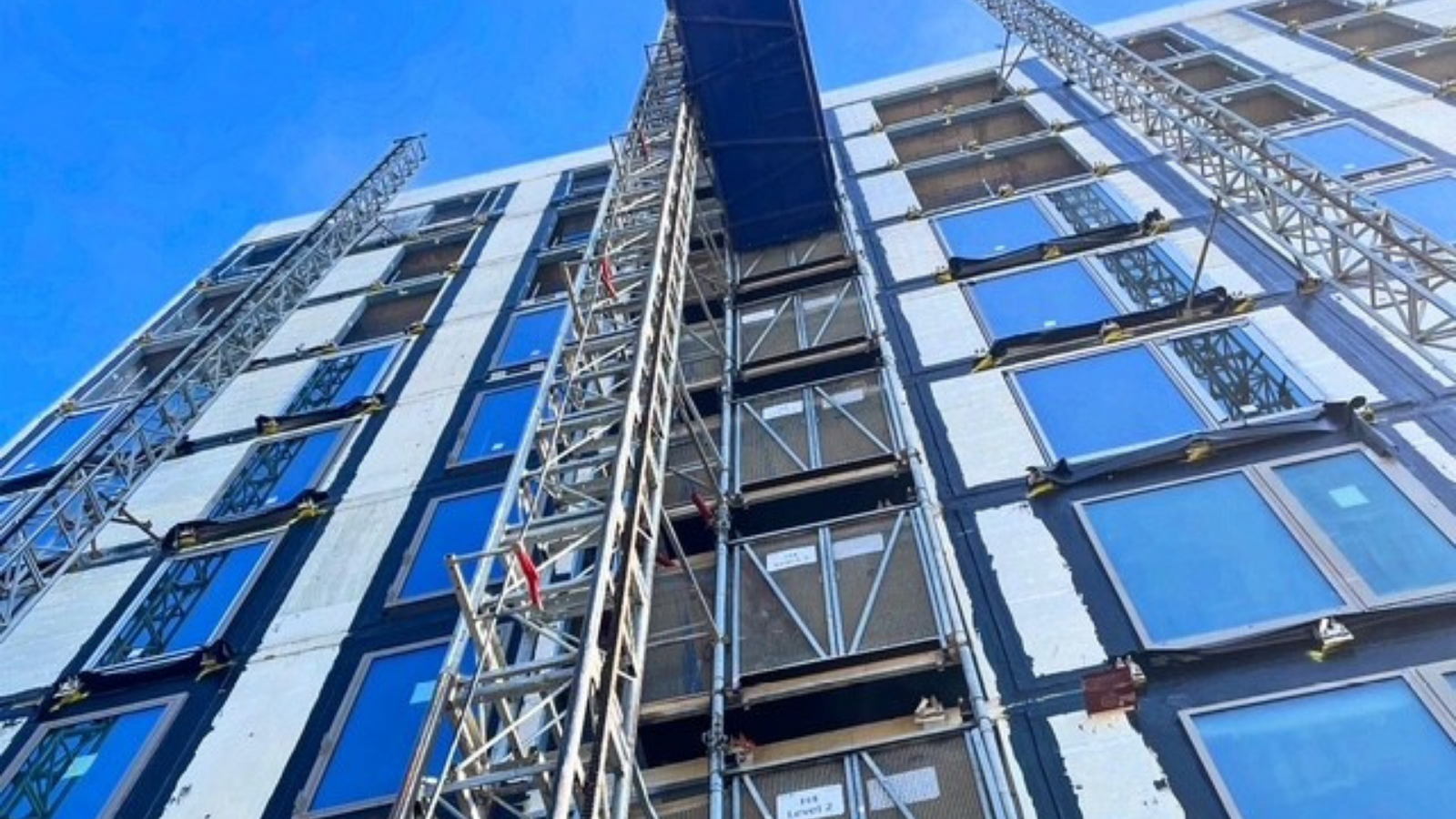
No Falls Week takes place from 18 to 22 May 2026. Led by the No Falls Foundation, the campaign is designed to raise awareness of work at height risks and encourage employers to take practical steps to prevent falls.
For many businesses, “working at height” immediately brings to mind scaffolding, roof work or construction sites. But the legal definition is much wider than that. It can include any work where a person could fall a distance liable to cause injury. That means ladders, steps, loading bays, mezzanine floors, racking, vehicle access, maintenance tasks, cleaning, inspections, plant rooms, fragile surfaces and temporary access arrangements can all fall within scope.
That is why No Falls Week is not just relevant to construction. It matters to manufacturers, warehouses, schools, offices, facilities teams, trades, landlords, retailers and any business that asks employees or contractors to carry out tasks above ground level.
Falls from height remain one of the most serious causes of workplace injury and death in Great Britain. HSE’s latest fatal injury statistics show that falls from height were the most common cause of fatal injury to workers in 2024/25, accounting for 35 worker deaths and more than a quarter of all worker fatalities.
The uncomfortable truth is that many fall risks arise during familiar, routine jobs. A quick repair. A short ladder task. Accessing stored materials. Cleaning a gutter. Checking a roof. Reaching something awkward. These are the tasks that can become normalised because they are done regularly, quickly or informally.
That familiarity is where risk can creep in.
Our director Chris often tells the story of a friend who fell from a ladder while cleaning the gutters at home. As a result of that fall, Chris’s friend lost his leg and now uses a prosthetic. Every day, he counts his blessings because, on the very same day, a colleague of his fell from a stepladder at their office and died. It is not always how far you fall, but how you land.
Under the Work at Height Regulations, employers and those in control of work must make sure that work at height is properly planned, appropriately supervised and carried out by competent people. The hierarchy is clear: avoid work at height where reasonably practicable, prevent falls where work at height cannot be avoided, and minimise the distance and consequences of a fall where the risk remains.
No Falls Week is a useful prompt to review whether that is happening in practice, not just on paper.
A practical review should ask:
- Are we avoiding work at height where we reasonably can?
- Are we selecting the right equipment for the task?
- Have we considered collective protection, such as guardrails or working platforms, before relying on individual behaviour?
- Are ladders and stepladders only being used where they are suitable, justified and used correctly?
- Are workers trained and competent for the tasks they are carrying out?
- Are supervisors confident enough to challenge unsafe work?
- Are contractors being properly checked, briefed and monitored?
- Are inspections, maintenance records and equipment checks up to date?
- Are near misses being reported and acted on?
This does not need to be complicated, but it does need to be real. A generic risk assessment that no longer reflects how work is actually done will not protect the business, and it will not protect the people doing the work.
The No Falls Foundation is encouraging organisations to support the week by holding safety demonstrations, running toolbox talks or workshops, using videos or case studies, discussing fall prevention and reassessing training needs.
For SMEs, even a short focused campaign can make a difference. A site walkaround, a ladder check, a toolbox talk, a review of maintenance tasks or a conversation with employees about where they feel exposed can uncover issues that are easily missed in day-to-day operations.
The key is not to treat work at height as someone else’s issue. If your business asks people to work above ground level, access equipment, use ladders, maintain buildings, load vehicles or manage contractors, then work at height should be on your radar.
No Falls Week is a timely opportunity to reset expectations, refresh training and check that the controls you rely on are actually working.
At THSP, we help businesses make health and safety practical, proportionate and commercially realistic. If you are unsure whether your work at height arrangements are suitable, or you want support with risk assessments, safe systems of work, site inspections, contractor checks or toolbox talks, our team can help.
The aim is simple: better planning, safer work and fewer falls.