
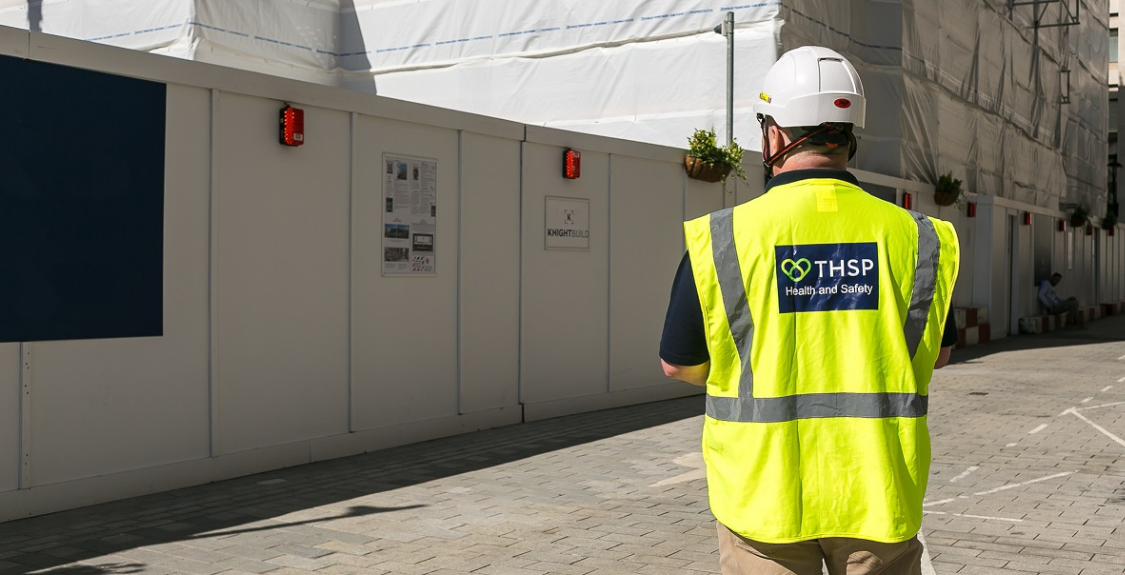
Construction site inspections are a routine part of managing health and safety on site. They provide a structured way to check that work is being carried out safely, control measures are in place and standards are being maintained across contractors and trades. In higher-risk environments such as construction, regular inspection is one of the most practical tools for preventing issues from developing into incidents.
Site inspections are not the same as audits, and they are not simply a paperwork exercise. They form part of an employer’s wider duty to monitor and review health and safety arrangements. When carried out consistently and followed up properly, inspections support safer working conditions, clearer accountability and stronger oversight across active projects.
Key Takeaways:
- Construction site inspections help monitor site conditions and control measures in real time
- Inspections support an employer’s duty to review and maintain suitable health and safety arrangements
- Frequency should be based on project risk, complexity and contractor activity
- Site inspections focus on operational conditions, while audits review management systems
- Common findings include housekeeping issues, incomplete RAMS and gaps in supervision
- Clear allocation of responsibility improves consistency across active sites
- Regular inspections provide documented oversight at director and project level
What Is a Construction Site Inspection?
A construction site inspection is a structured review of site conditions, activities and controls to ensure that work is being carried out safely and in line with legal and company requirements. The purpose is to identify hazards, check that control measures are working and confirm that standards are being maintained across the project.
In practice, site inspections can take different forms depending on the level of responsibility and the complexity of the work.
- Informal daily checks:
These are routine observations carried out by supervisors or site managers as part of normal site oversight. They may include checking housekeeping, access routes, edge protection or plant use. Although informal, they are an important first line of control.
- Supervisor or management inspections:
These are more structured reviews carried out periodically, often using a checklist. They typically focus on specific risk areas such as work at height, lifting operations, temporary works or contractor compliance. Findings should be recorded and followed up.
- Formal safety inspections:
These are planned, documented inspections carried out by a competent person. They are usually more detailed and may review site documentation, risk assessments and method statements alongside physical site conditions. Formal inspections provide a clearer record of compliance and are often used to demonstrate due diligence.
All three play a role in maintaining site standards. The key difference lies in the level of formality, documentation and oversight involved.
Why Are Construction Site Inspections Important?
Construction site inspections are a practical way to monitor health and safety on live projects. UK law requires employers to review and maintain suitable and sufficient arrangements, and regular inspections form part of that duty.
They help to:
- Identify hazards early as site conditions change
- Check that control measures are in place and working
- Improve coordination between contractors and trades
- Highlight recurring issues that may point to supervision or planning gaps
Inspections also provide director-level oversight. A clear record of findings and follow-up actions demonstrates that site standards are being actively monitored, not just documented in policy.
Who Is Responsible for Construction Site Inspections?
Responsibility for construction site inspections ultimately sits with the employer. Under UK health and safety law, employers must ensure that work is planned, managed and monitored properly. Regular inspections are one of the ways this duty is fulfilled.
On construction projects, responsibilities are often shared across different roles.
Principal Contractor
The principal contractor has a duty to plan, manage and monitor the construction phase. This includes coordinating contractors and ensuring that suitable site controls are in place. As part of that responsibility, inspections should be carried out to check that agreed standards are being maintained.
Site Manager
The site manager or supervisor is typically responsible for day-to-day oversight. This may include routine checks, recording findings and making sure corrective actions are addressed promptly. Their role is operational and ongoing.
Competent Person
A competent person may also be involved, particularly for more formal or periodic inspections. This could be an internal health and safety adviser or an external specialist. Their role is to provide structured, independent review and professional guidance where required.
While tasks can be delegated, legal accountability cannot. Clear allocation of inspection responsibilities helps ensure that site monitoring is consistent and effective.
How Often Should Construction Site Inspections Be Carried Out?
There is no fixed rule that applies to every construction project. The frequency of site inspections should reflect the level of risk, the size of the project and the number of contractors involved.
Higher-risk activities require more frequent checks. For example, work at height, lifting operations, excavation work or temporary works will usually justify closer and more regular monitoring than lower-risk tasks. Where multiple trades are working at the same time, inspections may also need to increase to ensure coordination and control.
Under the Construction Design and Management Regulations, the principal contractor must plan, manage and monitor the construction phase. Regular inspections form part of that monitoring duty. The more complex the project, the greater the need for structured and documented review.
Inspections should also take place following:
- An accident or near miss
- A significant change in work phase
- Introduction of new equipment or contractors
- Identification of repeated safety issues
What Should Be Included in a Construction Site Inspection Checklist?
A construction site inspection checklist should reflect the specific risks on your project. While every site is different, most checklists cover core risk areas that regularly feature in construction environments.
The aim is not to create an overly long document. It is to ensure that key controls are reviewed consistently and that findings are recorded and followed up.
Typical sections include:
Work at height:
- Edge protection and guardrails in place
- Scaffolding erected and inspected
- Safe access and egress to working platforms
- Ladders used appropriately and secured
Plant and machinery:
- Operators trained and authorised
- Pre-use checks completed
- Segregation between plant and pedestrians
- Maintenance records up to date
Personal protective equipment (PPE):
- Appropriate PPE issued and worn
- Damaged equipment replaced
- Task-specific protection in place where required
Temporary works:
- Design approvals available
- Installation matches design
- Inspections recorded at required intervals
- Alterations properly authorised
Welfare facilities:
- Clean and accessible welfare areas
- Drinking water available
- Adequate toilets and washing facilities
- Welfare maintained throughout the project
Fire precautions:
- Clear escape routes
- Fire extinguishers in place and accessible
- Hot works controls where applicable
- Emergency procedures communicated
Housekeeping and general site standards:
- Clear walkways and access routes
- Materials stored safely
- Waste managed and removed regularly
- Adequate lighting where required
The checklist should always be tailored to the size and complexity of the project. A small refurbishment will not require the same level of detail as a multi-phase development, but the principle remains the same: inspections should focus on the risks that matter most on that site.
Construction Site Inspections vs Health and Safety Audits
Construction site inspections and health and safety audits are often used interchangeably, but they serve different purposes.
Site inspections are operational and site-based.
They focus on current working conditions, physical controls and day-to-day activities. The aim is to identify hazards, check that controls are in place and correct issues promptly.
Audits, by contrast, review the wider management system.
They assess policies, procedures, documentation and leadership oversight to determine whether arrangements are suitable and being followed consistently across projects.
Both have value. Inspections help manage immediate site risks, while audits provide a broader view of how effectively health and safety is being managed overall. For most construction businesses, regular inspections combined with periodic audits create a balanced and structured approach.
Common Issues Identified During Construction Site Inspections
Construction site inspections often highlight practical issues that develop as projects progress. These findings are usually not the result of deliberate non-compliance, but of changing site conditions, time pressures or gaps in communication.
Common examples include:
- Inadequate edge protection, particularly as work at height areas change or temporary measures are removed
- Poor housekeeping, such as blocked access routes or materials stored in walkways
- Incomplete or outdated RAMS, where method statements do not fully reflect current site activity
- Uncontrolled contractor activities, especially where multiple trades are working in close proximity
- Insufficient supervision, leading to inconsistent application of agreed control measures
Regular inspections help identify these issues early. Addressing them promptly supports safer working conditions and reinforces consistent site standards across the project.
In some cases, recurring findings or increasing project complexity may indicate that additional oversight is needed. Where businesses are managing multiple active sites, have limited internal health and safety resource, or require independent review ahead of client audits, external site inspection support can provide added consistency and assurance.
Strengthening Site Standards Through Consistent Inspections
Construction site inspections are one of the most practical ways to manage risk on active projects. They help ensure that controls remain in place as work progresses, contractors change and site conditions evolve. When inspections are carried out consistently and followed up properly, they support safer working environments and clearer accountability across the project team.
For construction businesses overseeing multiple sites or complex programmes of work, a structured inspection approach provides confidence that standards are being maintained in practice. If you’re reviewing how site inspections are managed across your projects, reach out to our team for practical support and independent, expert oversight.
————————————
Frequently Asked Questions About Construction Site Inspections
Are construction site inspections a legal requirement?
UK health and safety law requires employers to monitor and review their arrangements to ensure they remain suitable and sufficient. While the law does not prescribe a specific inspection format, regular site inspections are a practical way to meet this duty in construction.
How often should a construction site be inspected?
There is no single fixed frequency. Inspections should reflect the level of risk, the complexity of the project and the number of contractors involved. Higher-risk activities and changing work phases usually require more frequent checks.
Who can carry out a construction site inspection?
Site inspections can be carried out by supervisors, site managers or a competent person with suitable knowledge and experience. For more formal or periodic inspections, businesses may appoint an internal health and safety adviser or external specialist.
What is the difference between a site inspection and a site audit?
A site inspection focuses on current site conditions and control measures. A site audit reviews the wider management system, including policies, procedures and leadership oversight. Both play a role in effective construction risk management.
Do small construction projects require inspections?
Yes. Even smaller projects should have a proportionate inspection process in place. The level of detail may vary, but monitoring site conditions and correcting issues promptly remains important regardless of project size.